by Virginia_ESM | Jul 30, 2026 | ESM in the spotlight, News
In the second episode, the discussion continues with a focus on guidance, support networks, and the doubts many PhD candidates face during their first year.
The researchers reflect on mentors who influenced their paths, how they manage moments of uncertainty, and why doubt can be an essential part of scientific progress.
🎧 Episode 2 — Mentorship, Impostor Syndrome & Navigating Doubt
This episode highlights the human side of research and the importance of supportive environments.
by Virginia_ESM | Jul 24, 2026 | ESM in the spotlight, News
In this podcast’s first episode, three PhD candidates from the Marie Skłodowska‑Curie Doctoral Network Edible Soft Matter (Roxane, Marit and Agathe) share how their backgrounds shaped their scientific interests and what led them to pursue research.
They discuss the diverse paths that brought them into the ESM network, the moment they realised research was the right direction, and what they value about being part of an interdisciplinary, international doctoral training programme.
🎧 Episode 1 — Motivation, Backgrounds & the ESM Experience
This conversation offers an open look at the early stages of a PhD and the unique environment provided by the ESM project.
by Virginia_ESM | Jul 1, 2026 | Trainings
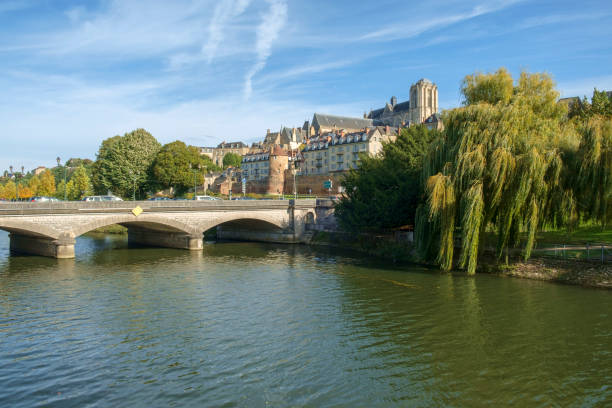
We are pleased to announce that the second training event of the project will take place from 14 to 18 September 2026 in Vendôme and Le Mans, France. Organised by CNRS and Bel, this event will bring together the doctoral candidates and consortium members for another exciting week of learning, collaboration, and networking.
A highlight of this training event will be the Innovation Challenge, held in Vendôme, where doctoral candidates will work in multidisciplinary teams to address real-world challenges and develop innovative solutions. This unique activity will provide an excellent opportunity to strengthen teamwork, creativity, and problem-solving skills while fostering closer interactions between the academic and industrial partners of the consortium.
The week will continue with activities in Le Mans, offering further opportunities for scientific exchange, professional development, and networking. Building on the success of the first training event, this second gathering will further reinforce the collaborative spirit of the network and support the doctoral candidates in developing both their research and transferable skills.
We are looking forward to welcoming everyone to France for what promises to be another inspiring and rewarding training event.
Practical Information:
Download the programme here
Salle Pierre Belon, LMU Library, Tramway line 1, stop Campus Ribay (BU on the map)
Training, Innovation and Science: ESM Meets in Vendôme and Le Mans
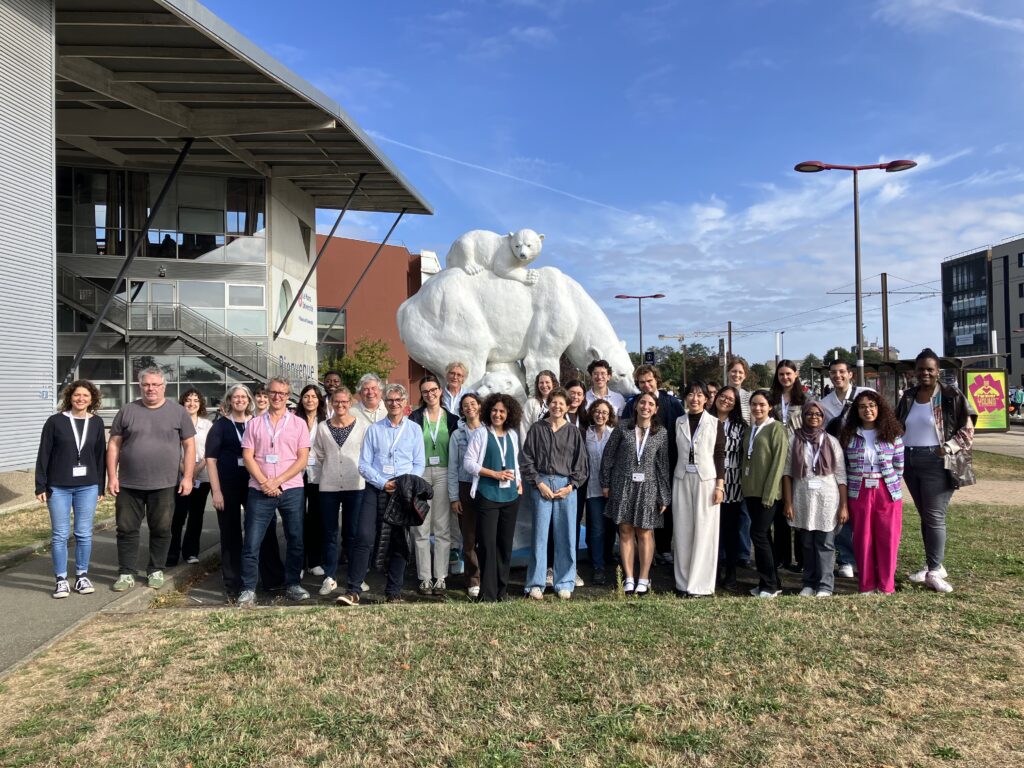
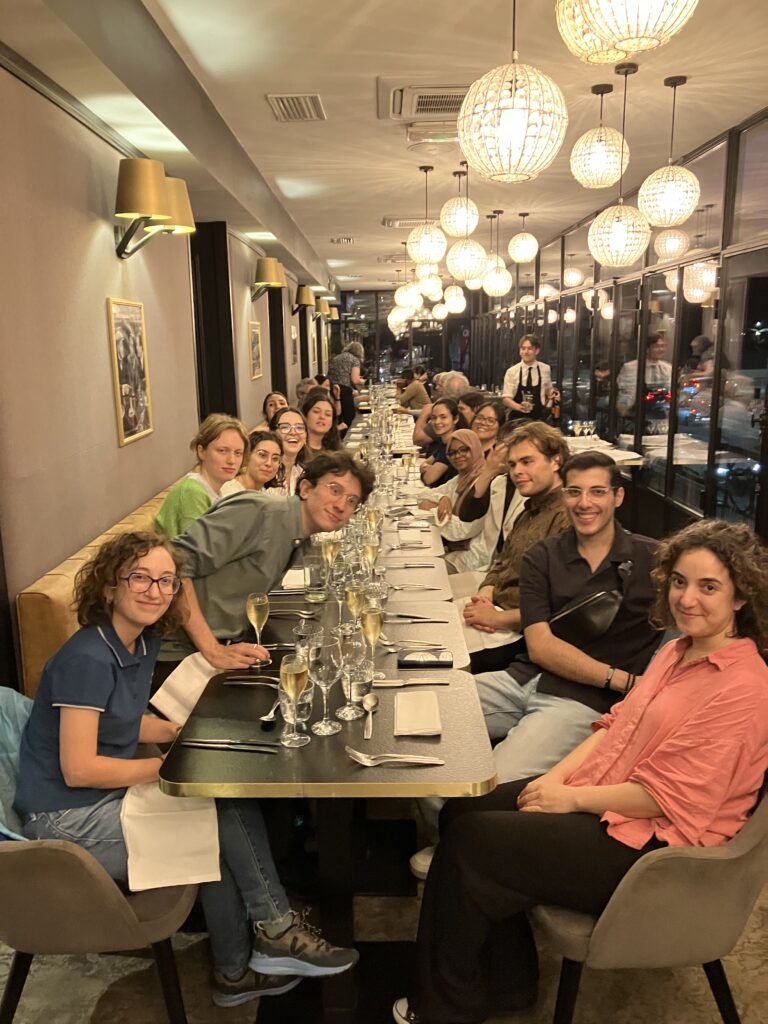
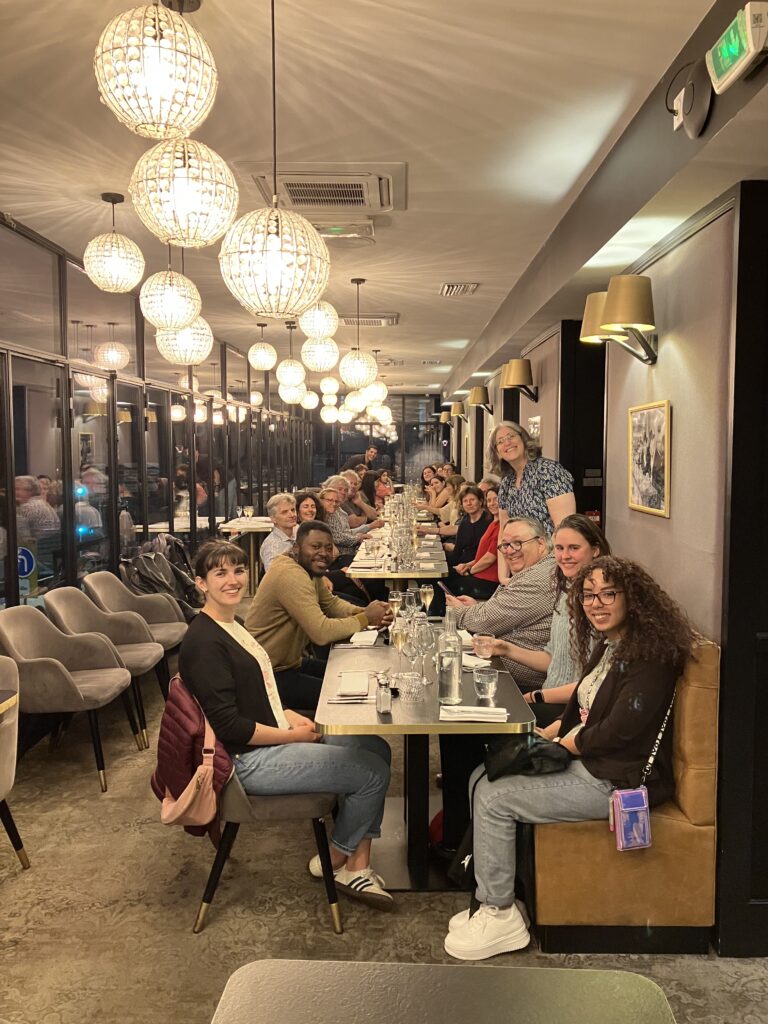
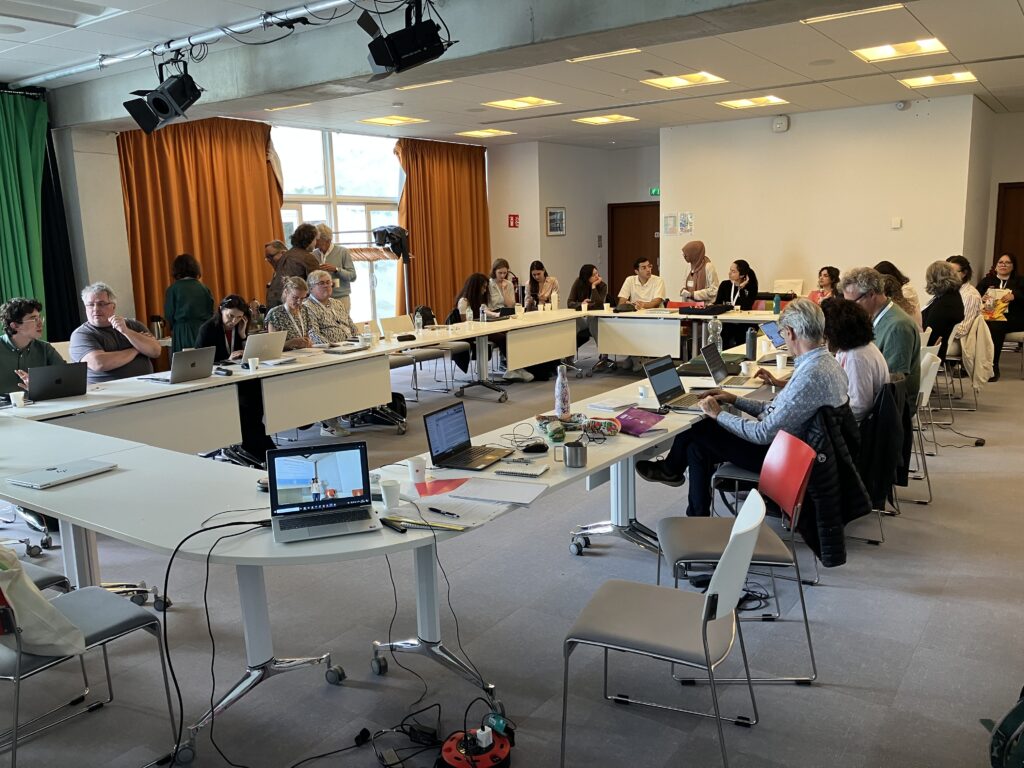
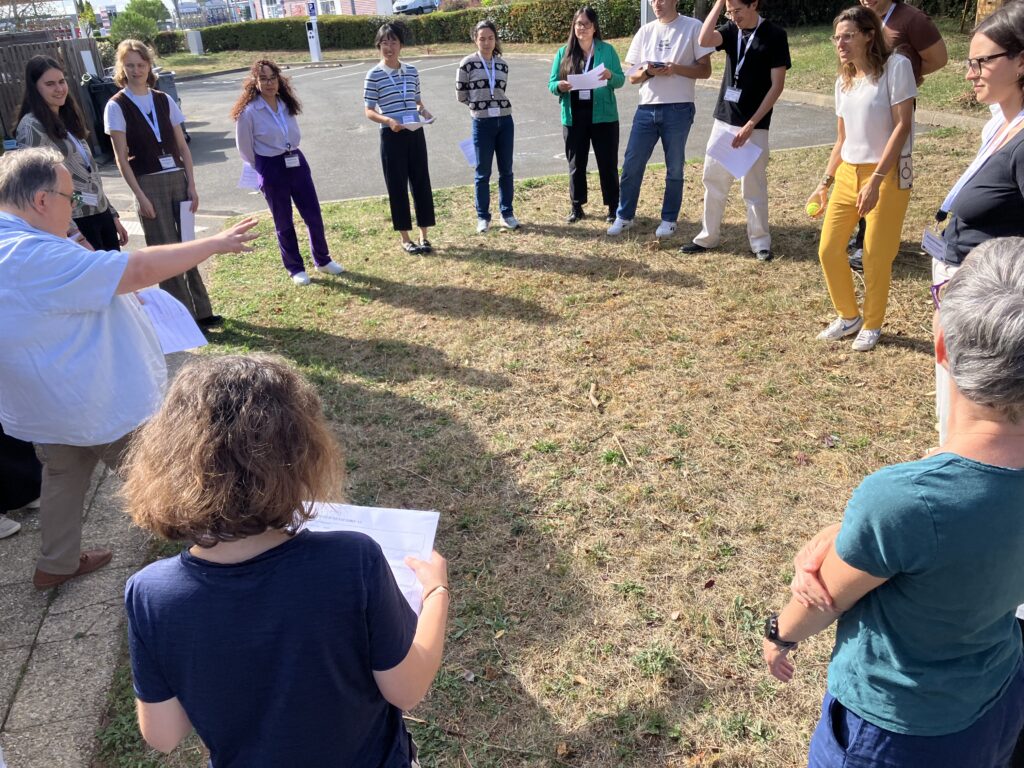
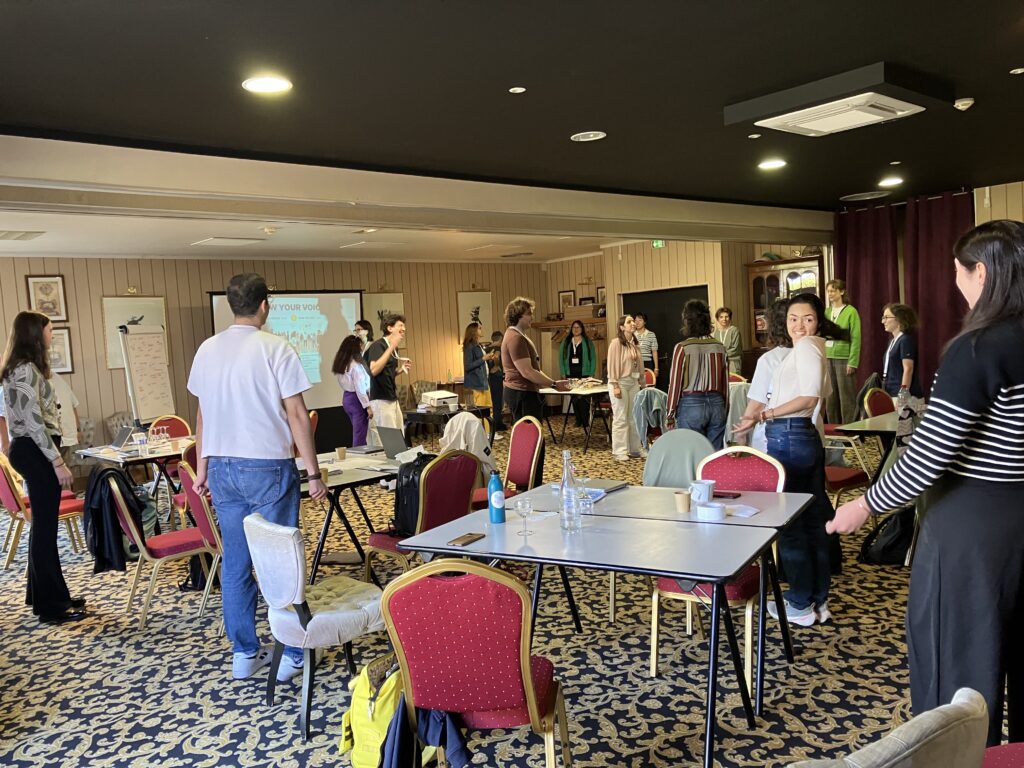
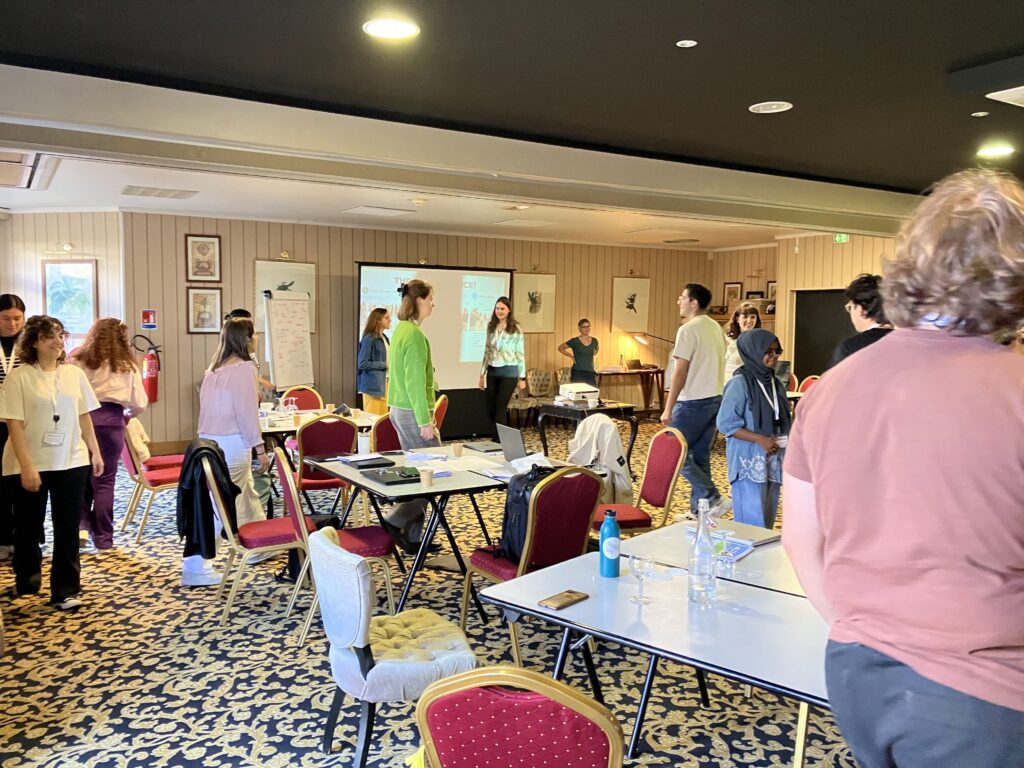
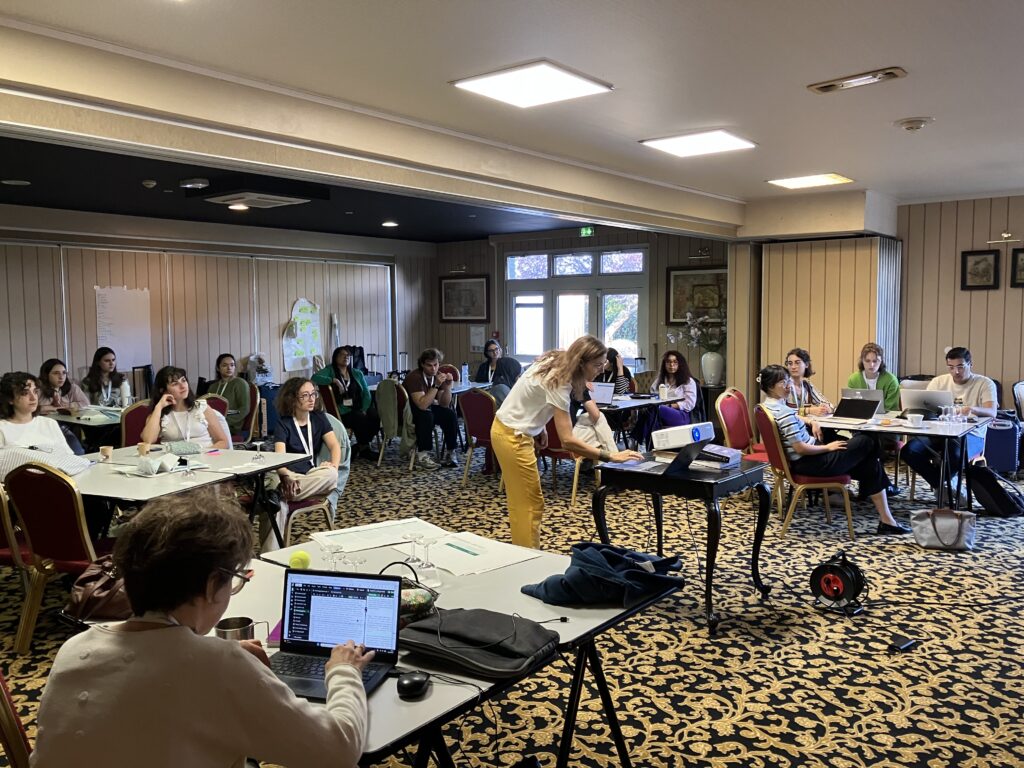
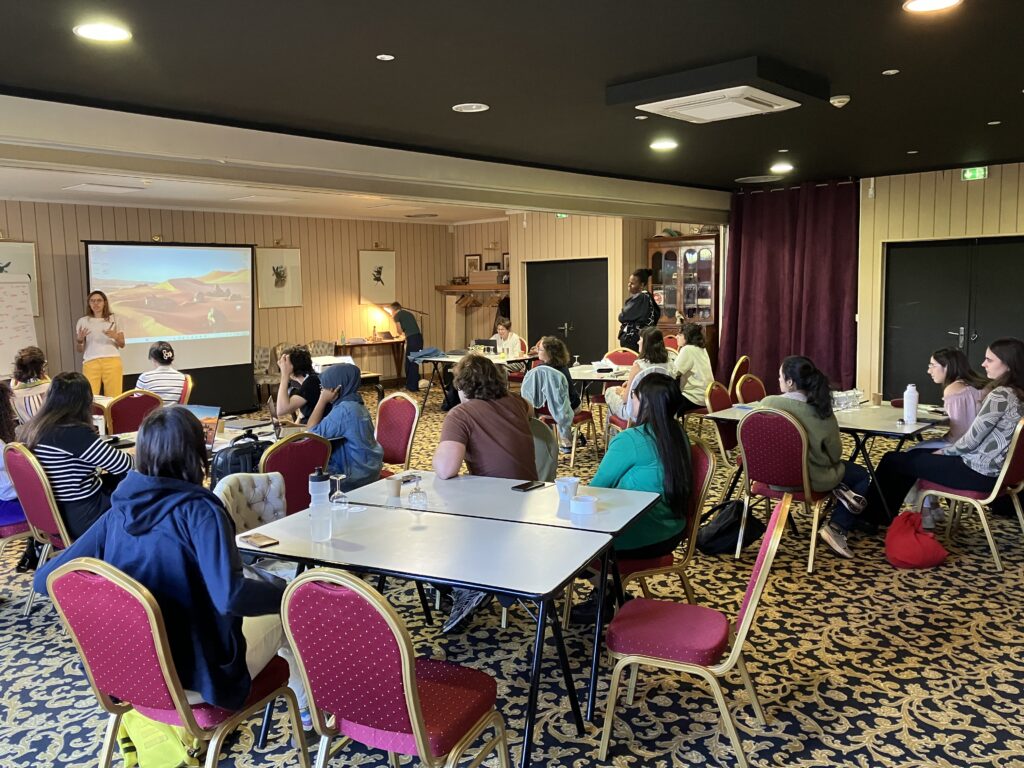
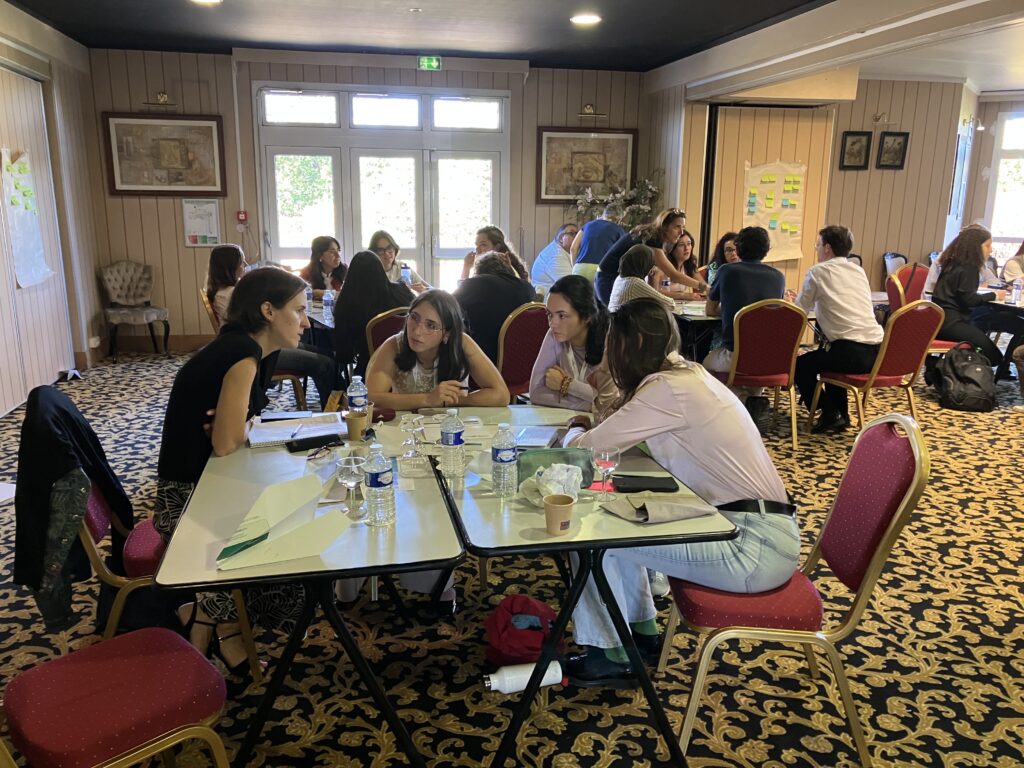
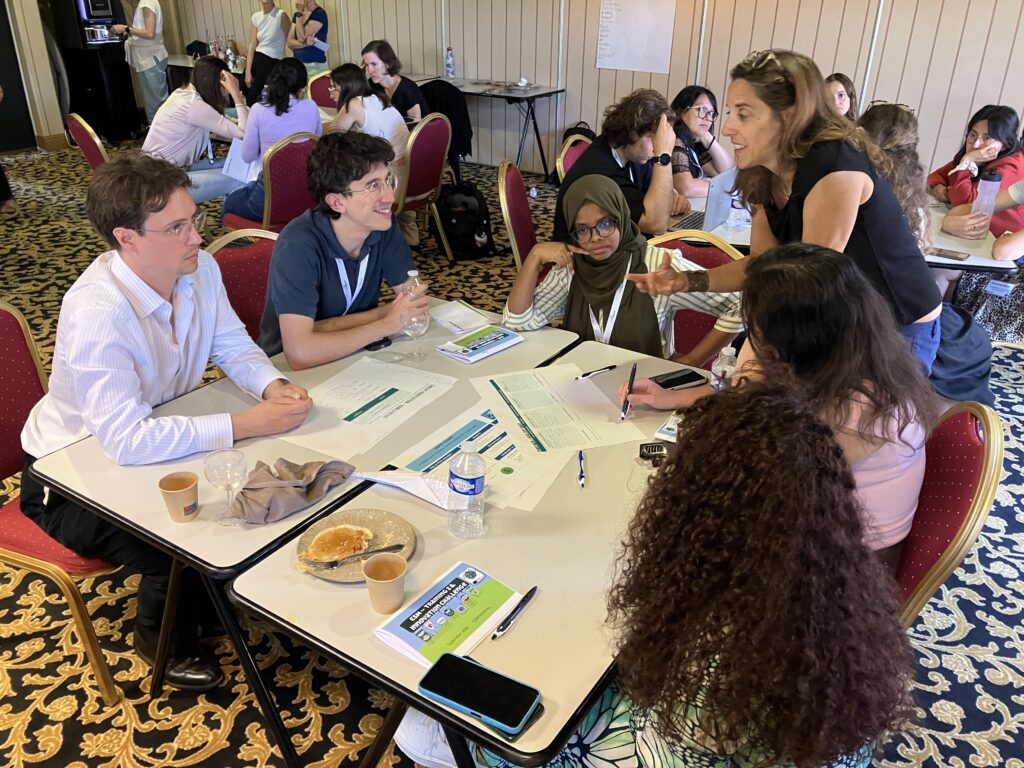
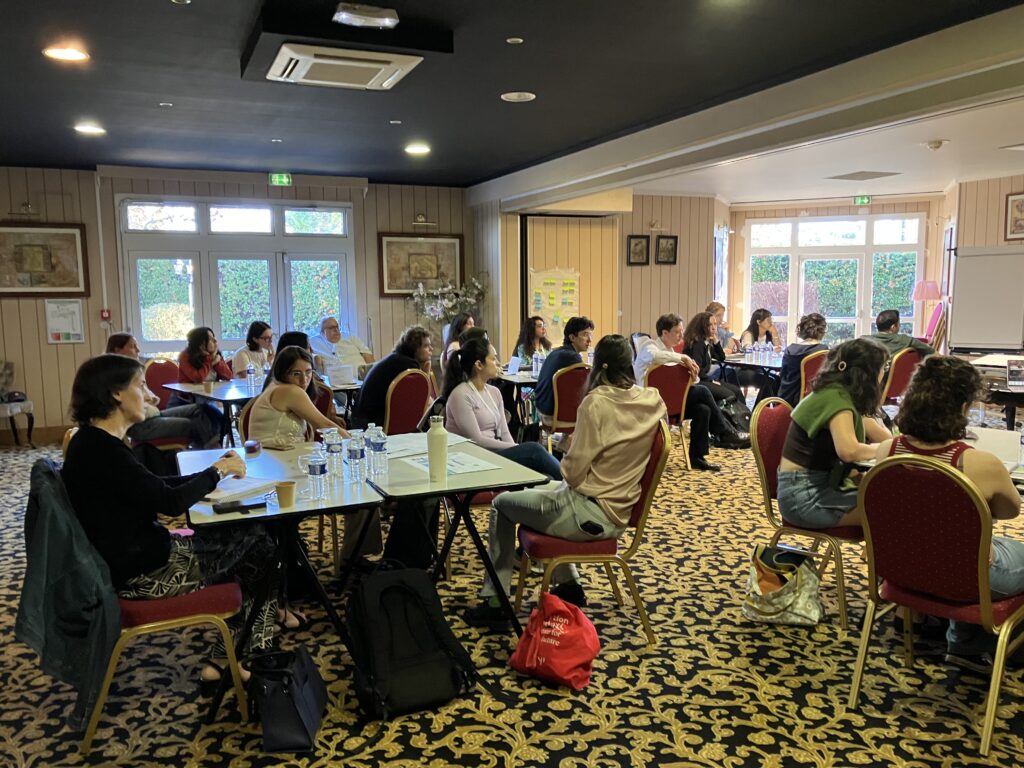
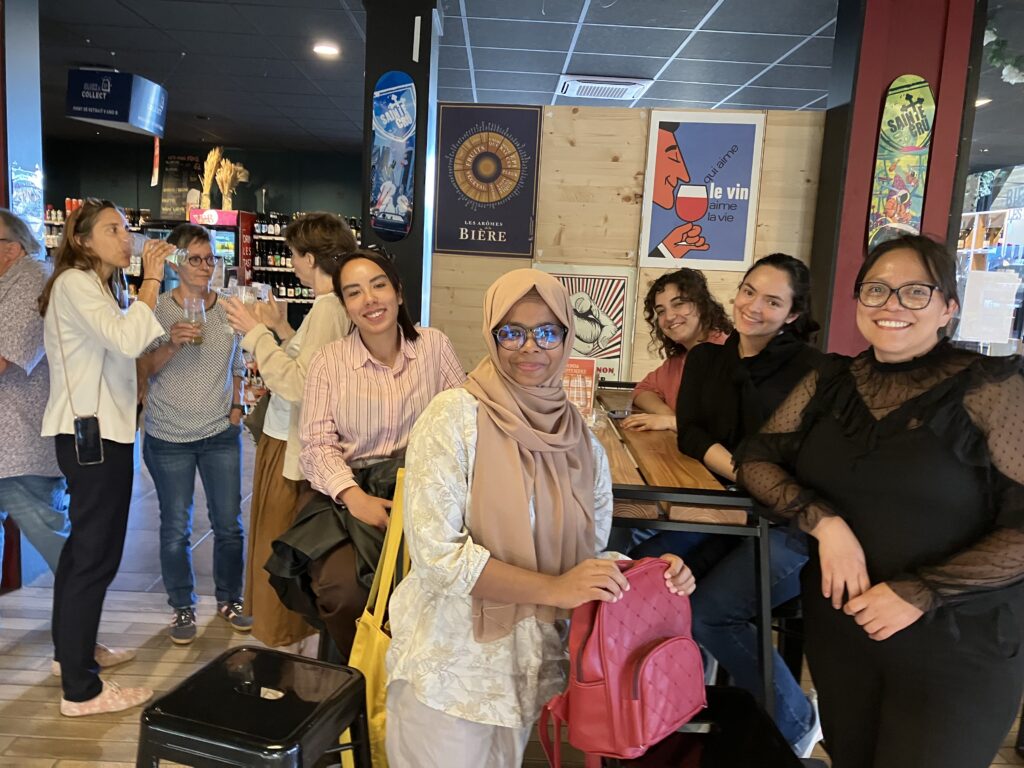
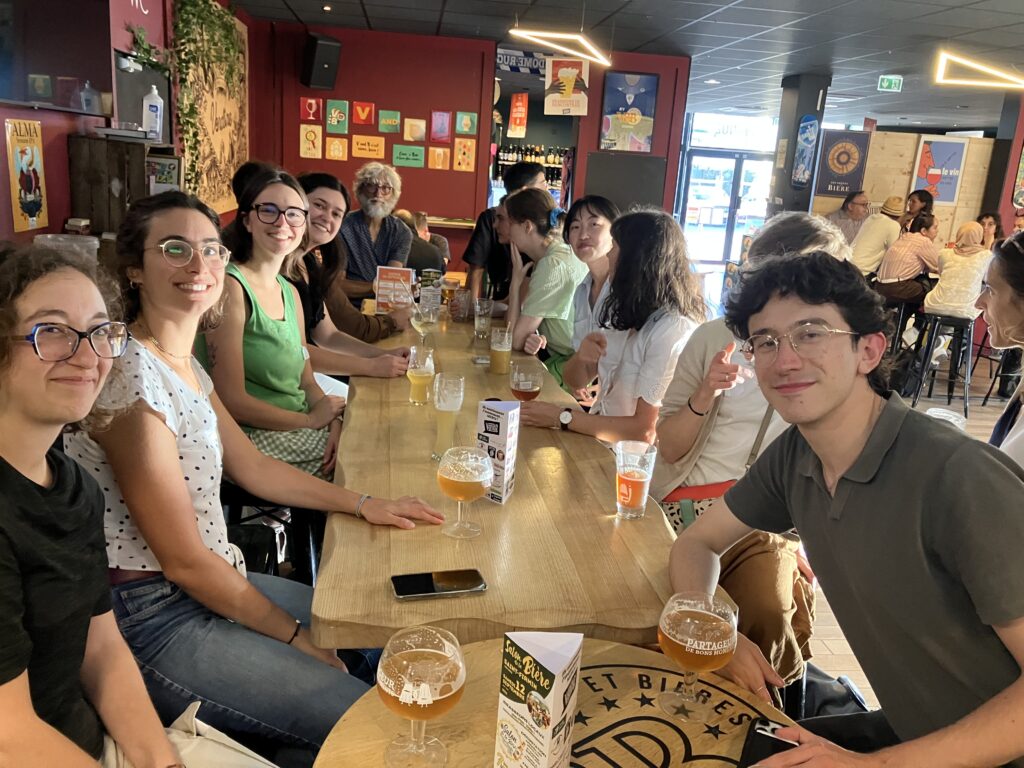
Our second ESM Training Event last week was a great success! We spent several days together combining training, scientific exchange, collaboration and plenty of opportunities to connect as a network.
We spent three days in Vendôme with the BEL team, who gave us a fantastic welcome and offered us the opportunity to visit their R&D facilities.
At the end of these three days, we launched the Innovation Challenge (IC), a collaborative activity that encourages creativity, teamwork, and problem-solving through practical challenges. The Doctoral Candidates (DCs) will work on the IC over the coming year.
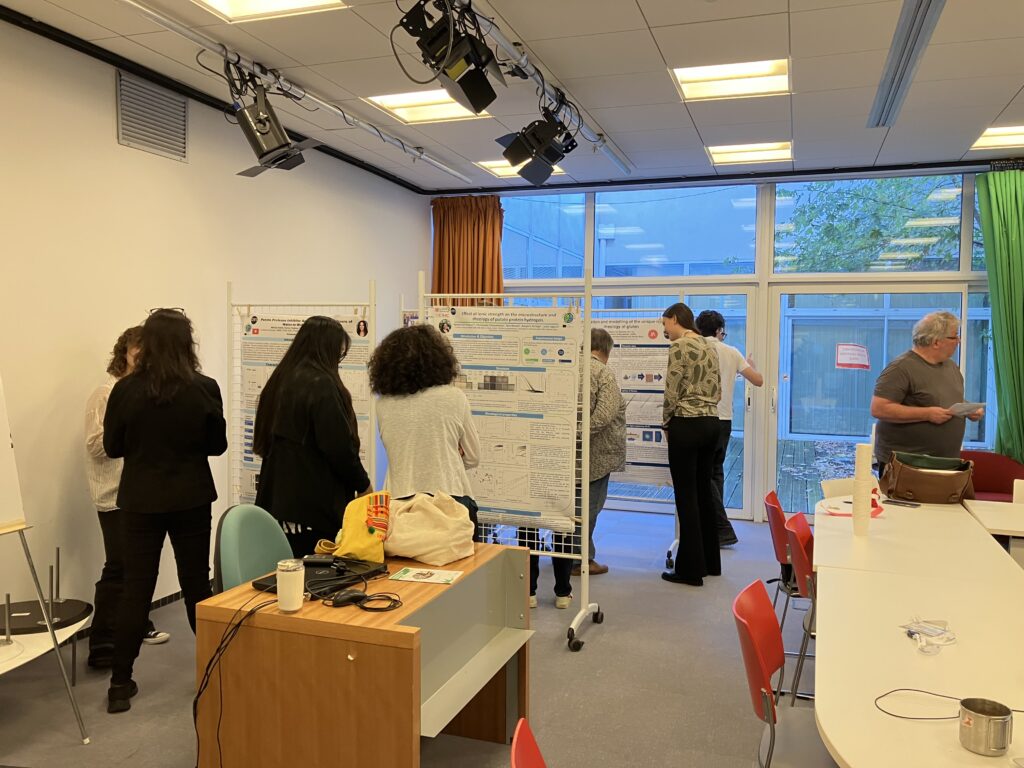
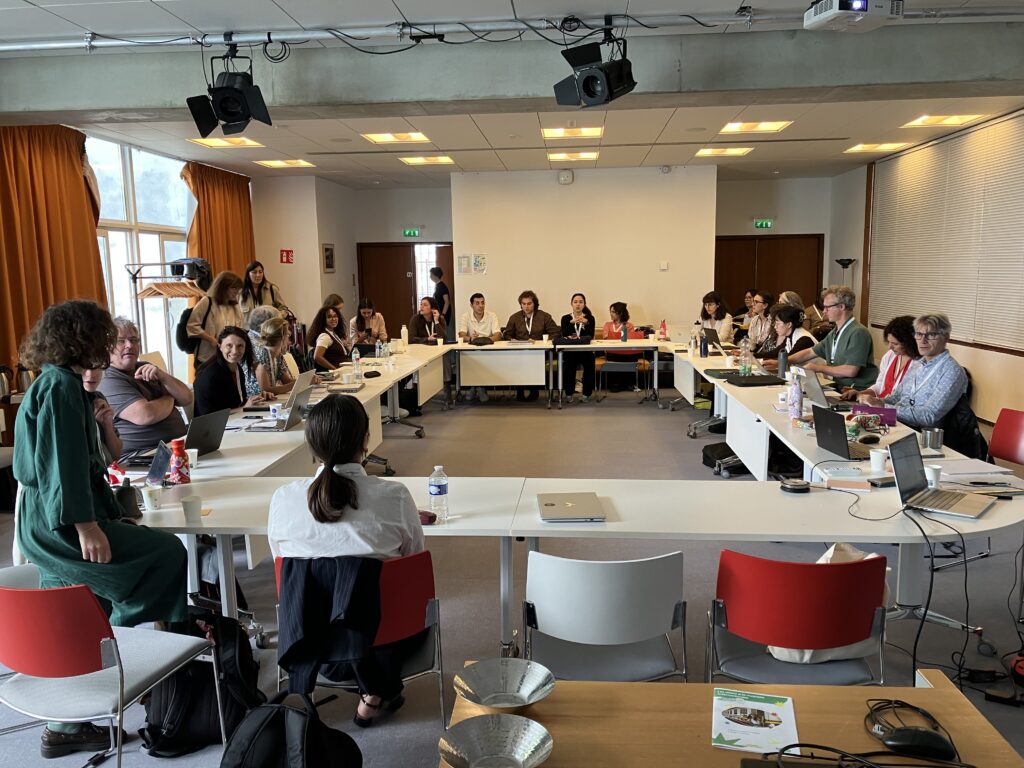
The event continued in Le Mans, where we held our General Assembly. For the first time, we had the opportunity to hear our DCs present their scientific projects. The poster session was another highlight, bringing students and partners together for lively discussions and exchanges.
Many thanks to CNRS, LMU and BEL for organising such a rewarding event and for bringing the ESM community together.
We are already looking forward to seeing everyone again at our third Training Event!
Until then, stay tuned to our social media for more updates and news from the ESM network!
by Virginia_ESM | Jul 1, 2026 | News
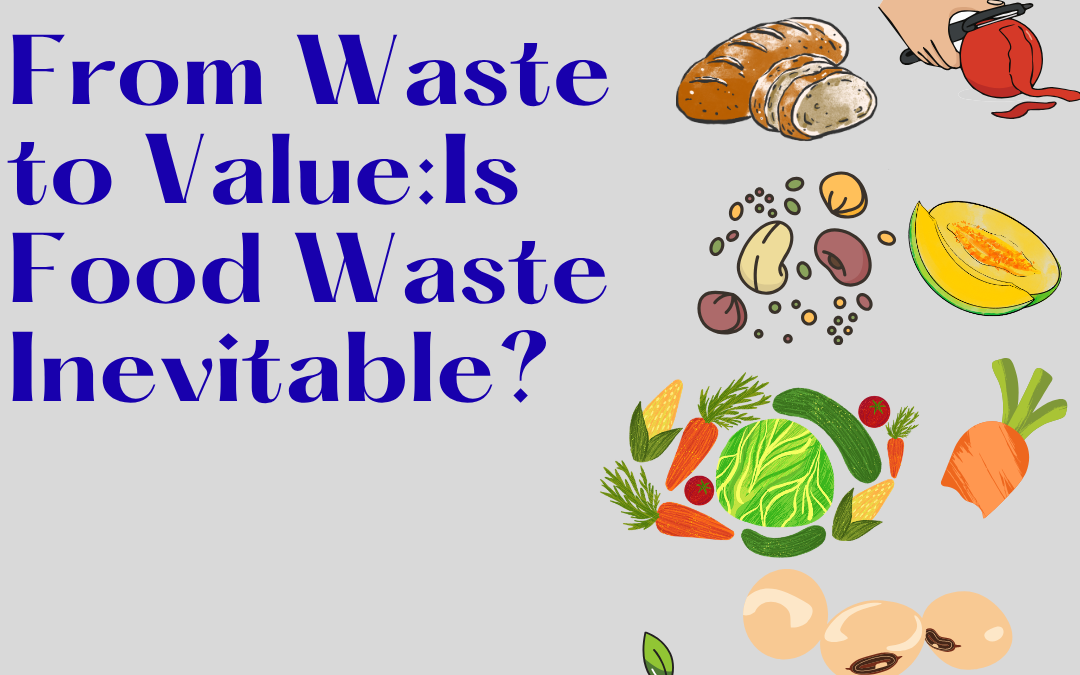
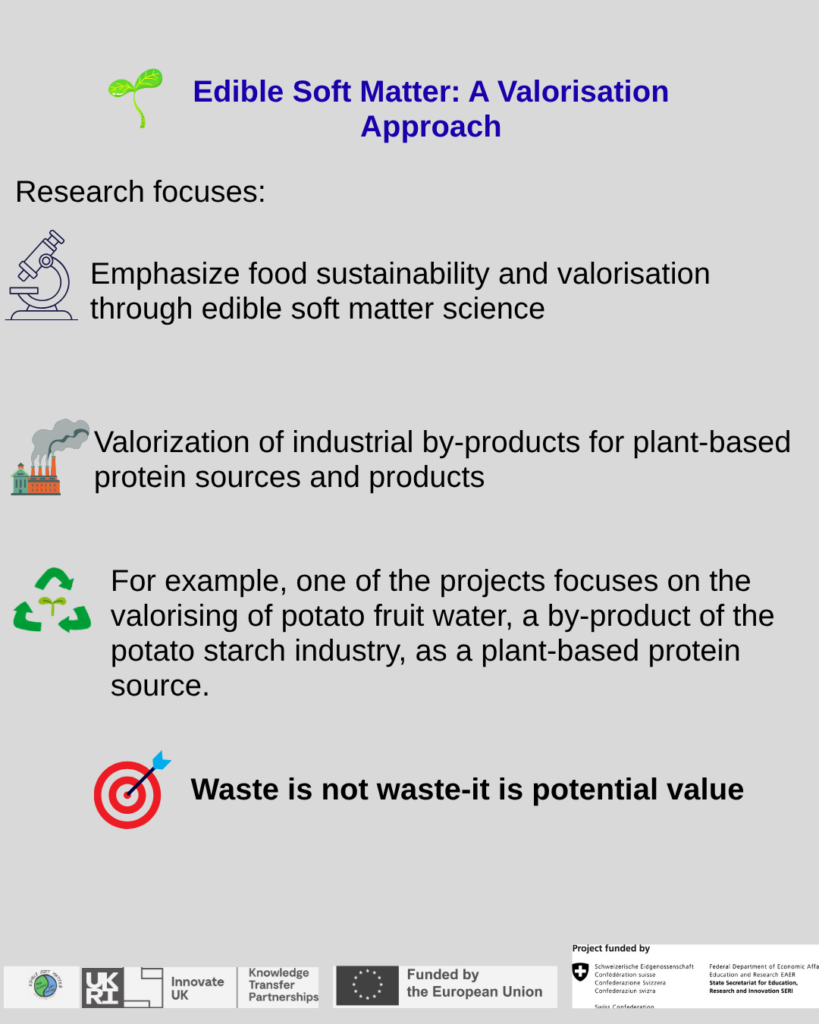
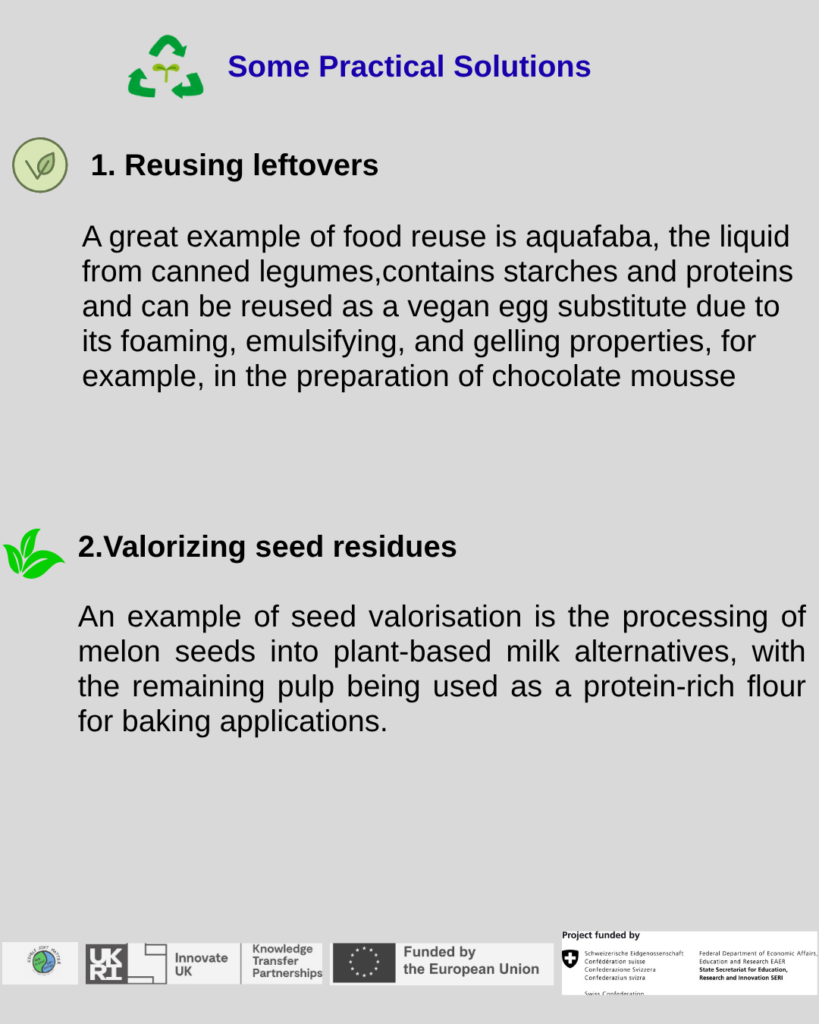
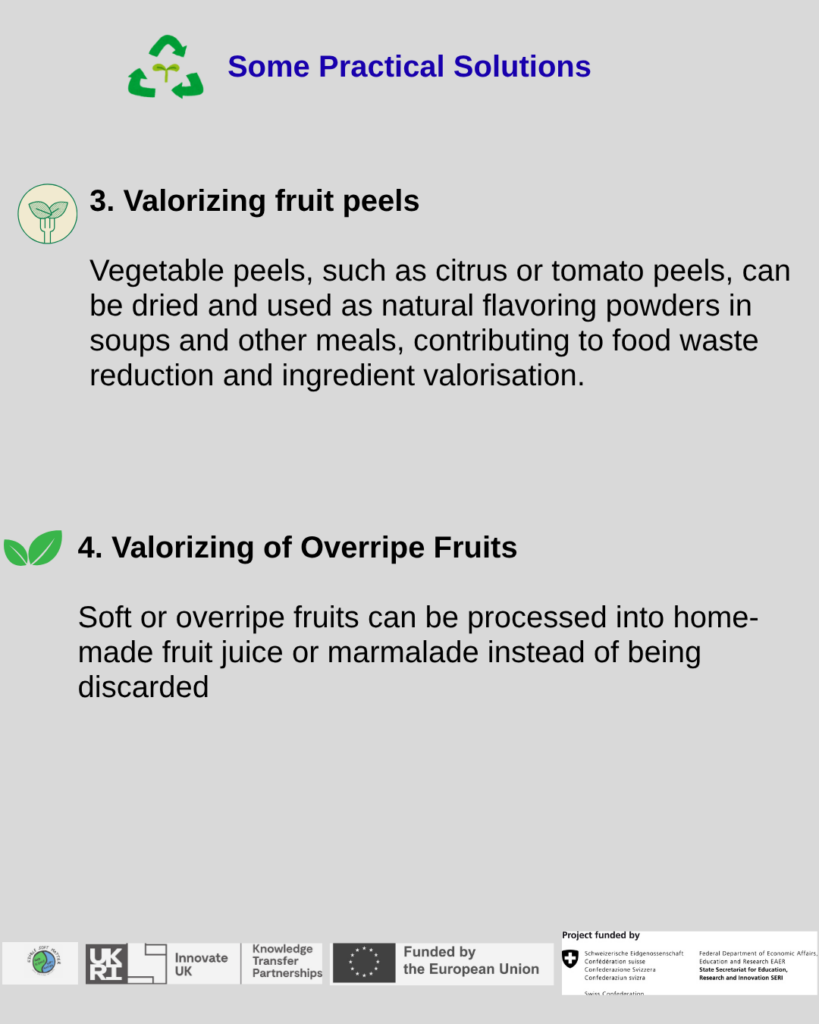
One of the aims of the Edible Soft Matter network is to explore innovative ways to transform food by-products into valuable, sustainable ingredients ♻️
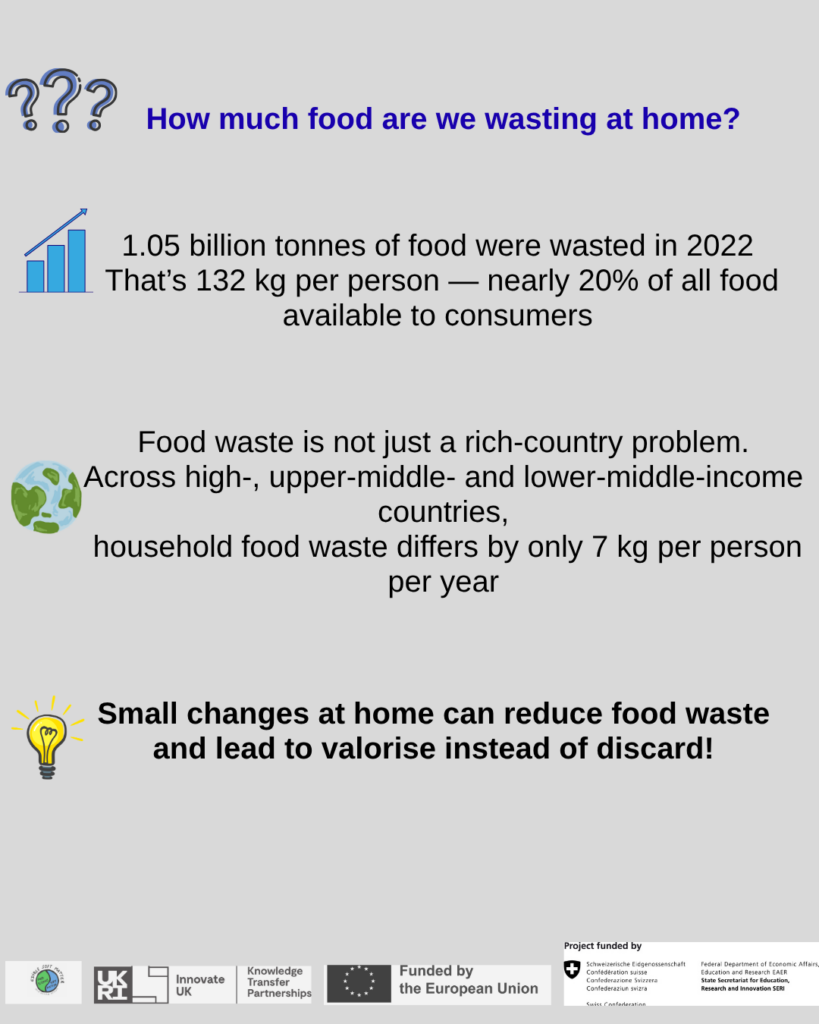
Rethinking what we call “waste” is one step towards a more circular food system.
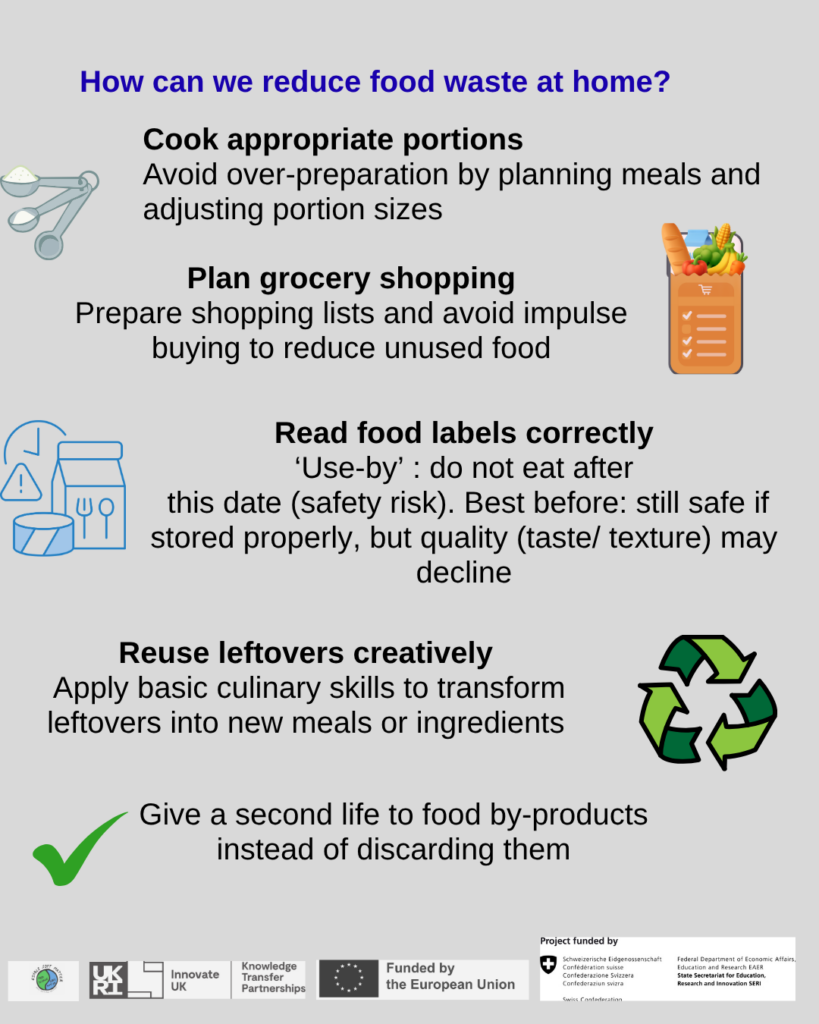
What do you do at home to reduce food waste? 🌱💚
by Virginia_ESM | Jul 1, 2026 | News
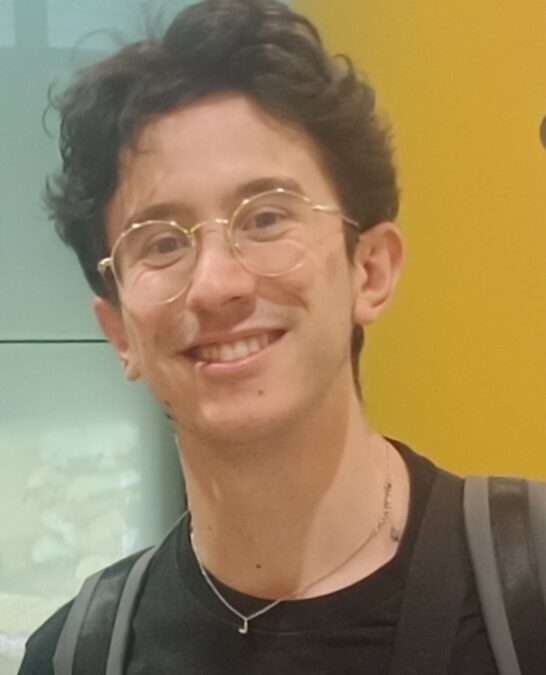
A warm welcome to Josep Maria De Dios Pont, who joins the ESM MSCA DN Programme as a PhD candidate at ETH Zurich!
We’re delighted to have him on board and wish him an exciting research journey filled with new ideas, collaborations, and discoveries.